Wireframes Are a Conversation, Not a Deliverable
Polish arrives too early and the room stops arguing with the thinking. On fidelity, hard screens first, and why three is better than one.

Nadia Okonkwo
Editor and Principal Designer ·
The fastest way to kill a good idea is to render it beautifully before anyone has agreed what it is for.
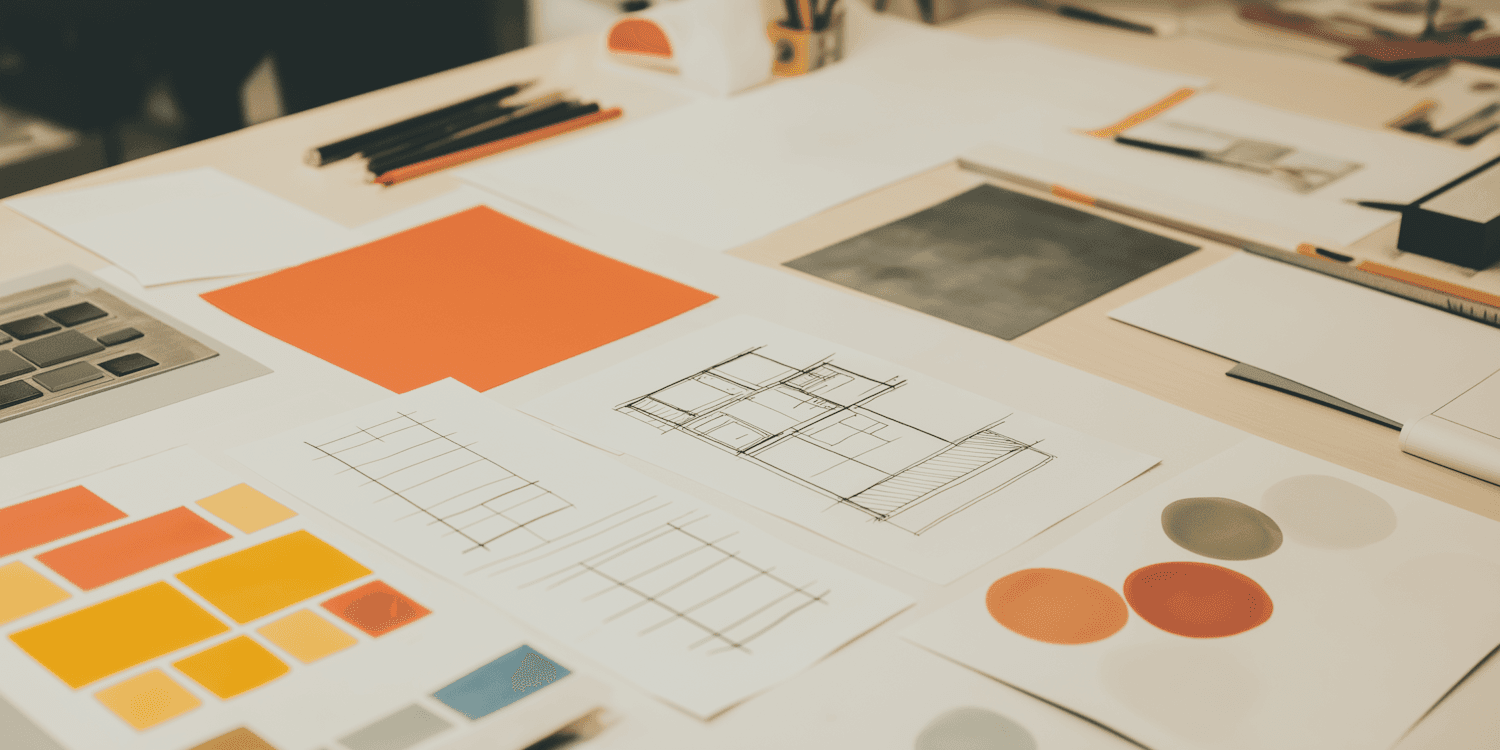
I have watched it happen often enough to name the pattern. A designer takes a rough problem, disappears for four days, and returns with something polished. The room does not critique the thinking, because the thinking is now wearing a suit. Everyone comments on the corner radius.
Fidelity is a signal about certainty
The visual weight of a wireframe tells people, without a word, how open the question still is. A grey box invites argument. A finished screen invites approval.
So the fidelity should match the state of the decision, not the state of the designer's enthusiasm.
- Sketch when the question is should this exist at all
- Wireframe when the question is what goes on the page and in what order
- Comp when the question is how does this feel
Skipping straight to the third one does not save time. It just moves the first two conversations to a point where changing your mind is expensive.
Wireframe the hard screen first
Every feature has one screen that carries the actual difficulty: the empty state, the error, the version with fourteen items and a long name in the wrong language.
We start there now. If the hard screen resolves, the happy path is trivial. If you design the happy path first, you will bend the hard screen to fit it, and users will meet the hard screen more often than you would like.
Bring three, not one
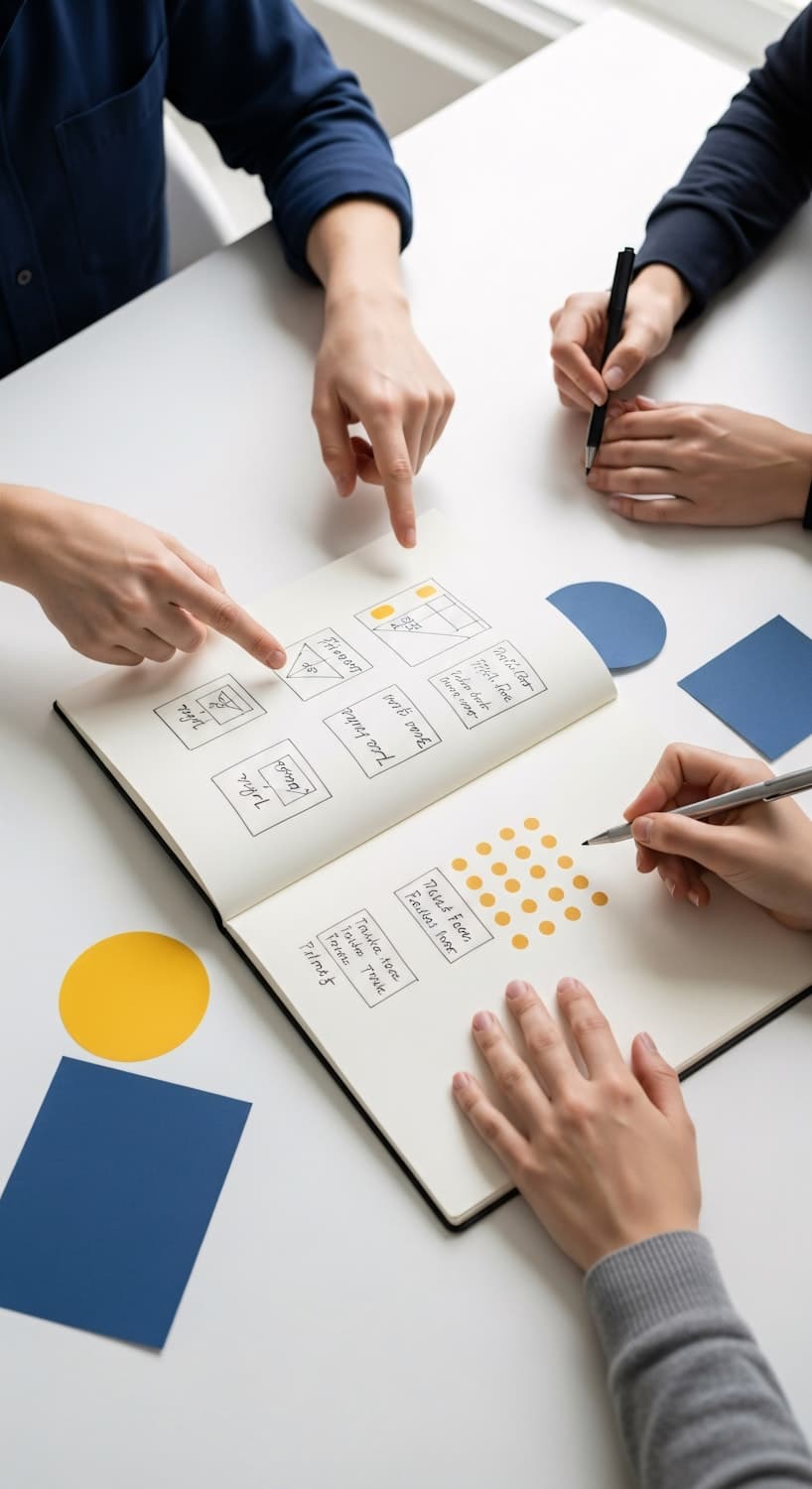
A single wireframe is a proposal, and a proposal invites a yes or a no. Three wireframes are a conversation, and a conversation produces a fourth option nobody had drawn.
They do not need to be equally good. Two strong and one deliberately extreme is often the most productive shape, because the extreme one relocates the boundary of what the room thought was allowed.
The purpose of the meeting is not to pick one. It is to find out which parts of each one people keep reaching for.
Annotate the why, not the what
A box labelled search tells the room nothing they cannot see. A box labelled search, because forty percent of sessions start with a known item tells them what to argue with.
Every wireframe we hand over carries three or four of those notes and nothing else. If a note cannot be written, that part of the screen is usually decoration.
Let them stay ugly
There is a strong pull to tidy a wireframe before showing it, especially to people outside the team. Resist it for one more round than feels comfortable.
The ugliness is doing work. It keeps the conversation on the thing that is still genuinely undecided, which is the only reason to hold the meeting at all.